
The Reason for Session Timeouts at Astromania Casino
Session timeouts are a security feature, astromaniacasino new account, not a bug. If you log in on a public or unattended device, anyone who accesses that keyboard could compromise your account. Automatic expiry prevents that by closing idle connections after a set window. It also assists in stopping session token hijacking on public Wi-Fi, where longer connections provide attackers a bigger window to act. Australian privacy rules and licensing standards compel operators to use reasonable safeguards. Session expiry works with encryption, firewalls, and account verification in the security stack. Players still should do their part by logging out on shared hardware.
Ensuring Your Account Protected During Sessions
Explicit logout is the easiest step you can perform when using a communal device. The logout button in the account menu rapidly invalidates the server-side session token instead of waiting for the idle timer. Refrain from saving passwords in browsers on any device that isn’t entirely yours. Astromania Casino encrypts data in transit, but local device security is your responsibility. Keeping the operating system and browser updated patches known vulnerabilities that could reveal session cookies. Australian players should secure their home Wi-Fi with a strong password. Manual logout, updated software, and automatic timeouts together create a layered protection.
The Login Process Stage by Stage
Step 1: Go to the Authentication Page
Access the genuine Astromania Casino website or a stored shortcut in any up-to-date browser. The page loads over HTTPS, and the padlock icon indicates the connection is encrypted. Before entering any text, the browser checks the site security certificate and displays the login form without pop-ups. Inspect the address bar carefully. Phishing copies mimic the real site but utilize a different domain. The form fields are properly labeled, and no extra software is necessary to continue. A legitimate session begins only on the genuine site, so the URL must correspond precisely.
Stage 2: Input Your Login Details
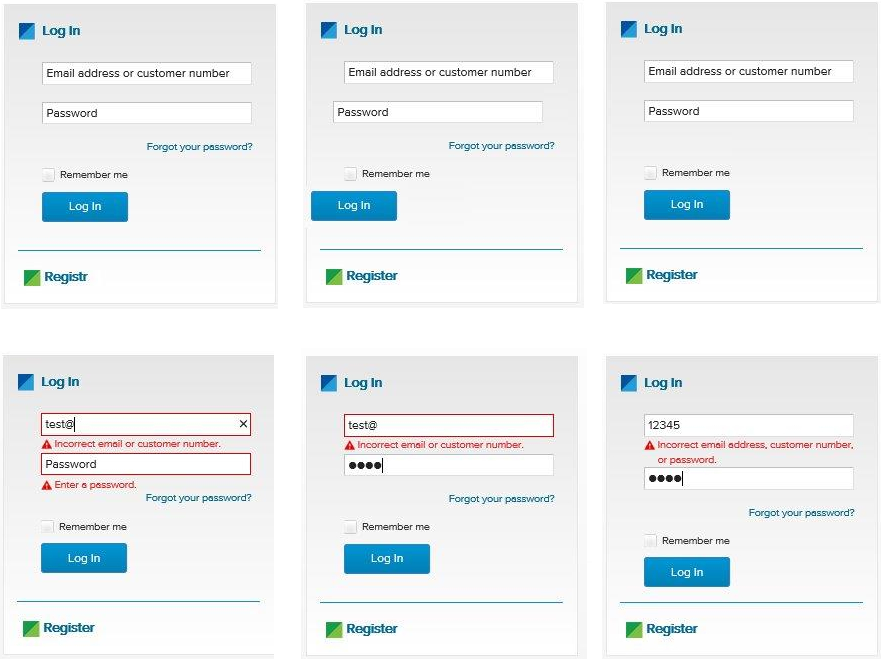
Type your account email or username, then your password. The password field hides characters and supports pasted credentials from a password manager. If the details are wrong, an error message appears without revealing which field failed. That prevents account enumeration. After three failed attempts, the account is locked briefly and an email is sent to the registered address. This lock is separate from the session timeout and provides brute-force protection. Once the correct credentials are accepted, the system moves to the next verification stage or displays the dashboard.
Stage 3: Two-Step Verification (Voluntary)
With two-factor authentication enabled, a six-digit code must be entered after the password passes. The code can arrive through an authenticator app or SMS, depending on your setup. The entry field appears only after password verification, and the login session ends if the code isn’t submitted within five minutes. That short window keeps the authentication flow tight. Players who can’t access their two-factor method must use account recovery, which requires identity verification through support. Two-factor authentication is optional but worth turning on. It blocks most unauthorised access even when a password is stolen.
Configuring Two-Factor Authentication
You can activate two-factor authentication from account security settings after login. The site offers an authenticator app option and displays a QR code to scan with Google Authenticator or Authy. The app generates a code that you enter to confirm the pairing. Backup codes appear once. Store them offline in case your phone goes missing. Setup usually takes under three minutes, and future logins from unrecognised devices will prompt for the time-based code. Session timeout rules still apply after activation. Don’t share backup codes or stash them in email accounts.
The Duration Prior to a Session Expires
Astromania Casino doesn’t publish a single idle limit since the window changes based on device, region, and account activity. Most sessions run around 15 to 30 minutes without input. The timer resets each time you tap, tap, or refresh a fresh page. The login page may expire faster if a two-factor code stays pending for more than a few minutes. Australian players get the same window as other regulated markets. Regular interaction maintains the session alive, but no account status or VIP level extends the safe limit. If you intend to leave, log out manually.
Account Verification and Compliance Checks
Know Your Customer checks are mandatory before you can deposit, withdraw, or enjoy all features. Identity verification isn’t directly part of the timeout system, but an incomplete status can restrict actions, and re-verification requests may renew the activity timer. Members submit proof of identity such as a driving licence or passport, plus a latest utility bill or bank statement showing an Australian address. Files are uploaded through a secure portal inside the account dashboard, and the approval team usually responds within 24 hours. If a session expires during an submission, work is saved automatically and can be continued after signing in again.
What Takes Place When a Session Expires
When the idle limit is reached, the player is forwarded to the login page without manual action. Unsubmitted form data like a partially filled deposit slip disappear from view, but the account state stays unchanged. If a slot spin was in progress, the server captures the result and adjusts the balance as usual. The visual interruption is the only loss. The redirect page shows a neutral security message with a link to sign in again, and no sensitive data appears in the URL. Players can log in immediately and resume from the same balance, game history, and verification status.
Usual Reasons for Sudden Timeouts
Even engaged players can get disconnected faster than anticipated when technical conditions disrupt a session. Astromania Casino handles a disrupted connection or absent session token as a potential security risk, so it may end the session quickly. Browser settings, network changes, and power-saving tools are common triggers. The list below includes the issues Australian players report most often when timeouts occur without long idle periods. None of these causes point to a fault with the platform itself. Pinpointing the right trigger is the first step to preventing repeat interruptions.
- Unreliable internet connection causing a disruption in communication with the server, which may appear as inactivity.
- Browser settings that stop or erase session cookies, wiping the token that preserves the session active.
- Using a VPN or proxy that changes the IP address mid-session and prompts a security check.
- Device power-saving modes that suspend browser tabs and interrupt background data exchange.
- Simultaneous logins from multiple devices, where a new login on one device ends the session on another.
How to Avoid Unwanted Timeouts
There’s no setting to disable the timeout, but some habits can reduce its effect. Interacting with the site every 10 minutes, even by refreshing the lobby or switching between pages, resets the idle timer. The Remember Me feature on secure personal devices reduces how often you need to fully re-authenticate but doesn’t eliminate the timeout. Players who step away can keep a live game that waits for a decision, like blackjack, but must be cautious not to place unintended bets. On smartphones, switching off battery saver for the browser keeps the tab from being put to sleep. These minor adjustments align player behaviour with the security model.
Troubleshooting After a Session Timeout
Persistent timeouts often come from browser or network issues. Delete cookies and site data for Astromania Casino to remove conflicting tokens, then turn off ad blockers or privacy extensions that may conflict with session cookies. Trying in a different browser or updating the current one can rule out compatibility problems. Moving from home Wi-Fi to mobile data helps detect ISP-level drops. If the problem persists, contact support. The support team can check server logs for security flags and ensure that verification is fully approved. The majority of these checks fix the issue without a lengthy wait.
